Shukra: The Asura Guru, Master of Resurrection and Refined Arts
Preceptor of the Asuras, master of resurrection—Venus shines as the brilliant morning and evening star, whose radiant wisdom transforms material desire into spiritual understanding, bestowing love, beauty, and the refined arts upon those who seek life's deeper pleasures.
Essential Attributes at a Glance
| Attribute | Shukra’s Nature |
|---|---|
| Sanskrit Name | Shukra (Synonyms: Asphujit, Sita, Bhrigu) |
| Cosmic Role | Comforts (Kalapurusha) |
| Cabinet Status | Minister |
| Nature | Natural Benefic |
| Gender | Female |
| Caste | Brahmin (Learned) |
| Guna | Rajasic (Artistic, valorous) |
| Element | Water (Jala) |
| Deity | Sachi Devi (Indrani) |
| Color | Variegated; Harita-Peeta (Yellow-Green) |
| Taste | Sour / Acidulous |
| Dosha (Humour) | Vata-Kapha (Windy and Phlegmatic) |
| Directional Strength | North (BPHS) / South-East (Phaladeepika) |
| Temporal Strength | Day |
| Natural Strength | 3rd Strongest among Grahas |
| Exaltation | Pisces (27°) |
| Moolatrikona | Libra (0°–15°) |
| Own Signs | Taurus; Libra (15°–30°) |
| Time Unit | Paksha (Fortnight / 15 days) |
| Season | Vasanta (Spring) |
| Abode | Bedroom |
| Apparel | Silken, decorated robes; Durable, multi-coloured |
| Substance | Pearl |
| Tree Type | Floral plants |
| Classification | Moola (Roots/Vegetables) |
| Friends | Saturn, Mercury |
| Enemies | Sun, Moon |
| Neutrals | Mars, Jupiter |
Astronomical Overview
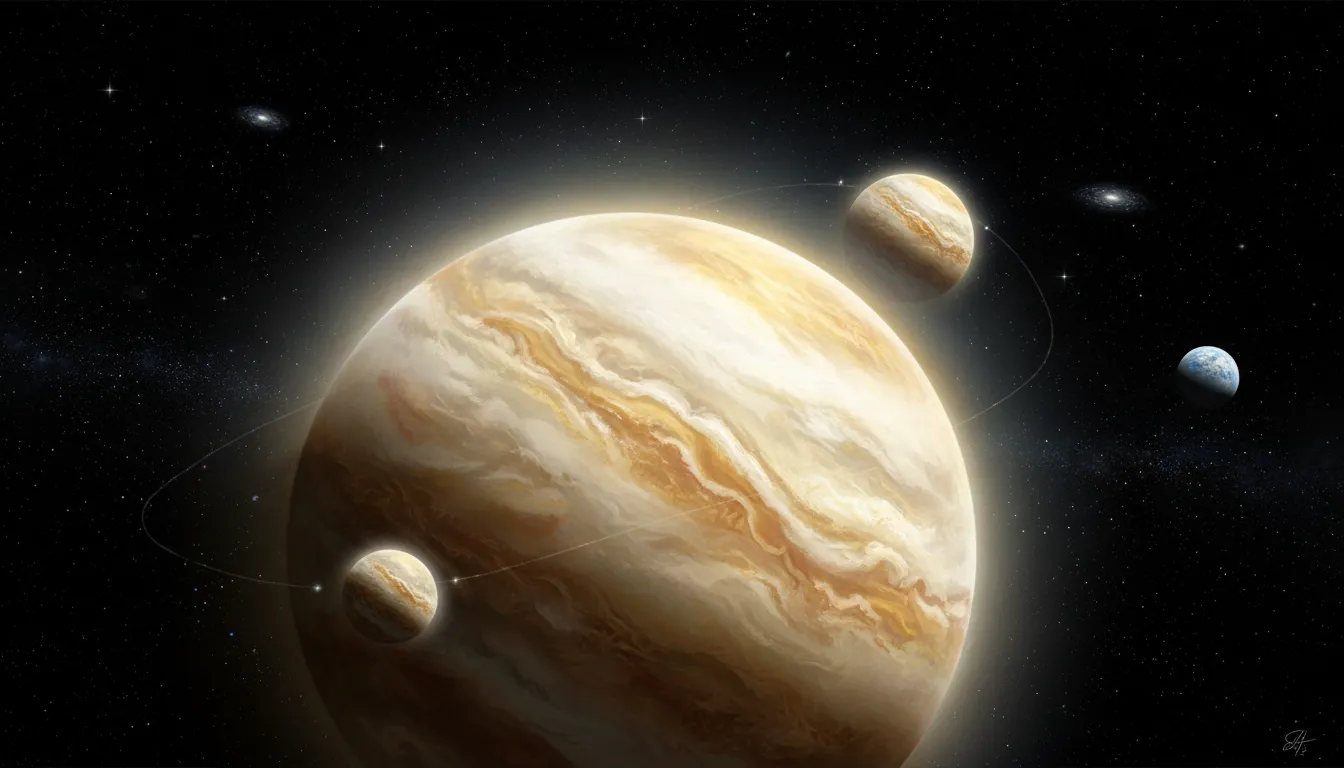
Venus claims the distinction of being Earth’s closest planetary neighbor and near-twin in size, yet beneath its luminous veil lies a world of extremes that mirrors the complexity of its astrological nature. With a diameter of approximately 12,104 kilometers—just 638 kilometers smaller than Earth—Venus orbits the Sun at a distance of 108 million kilometers, completing its circuit in 225 Earth days.
What sets Venus apart astronomically is its retrograde rotation—it spins backward compared to most planets, with the Sun rising in the west and setting in the east. This singular characteristic resonates with Shukra’s mythological role as the teacher who chose the “other side,” the preceptor of the Asuras who walked a path opposite to the conventional divine order. The planet’s rotation is also remarkably slow; a single Venusian day lasts longer than its year.
Venus appears as the brightest object in our sky after the Sun and Moon, earning its dual identity as both the Morning Star (Lucifer, the light-bringer) and the Evening Star (Hesperus). This dazzling luminosity—bright enough to cast shadows on moonless nights—comes from its dense atmosphere of sulfuric acid clouds that reflect sunlight with extraordinary efficiency. Ancient observers, watching this brilliant wanderer appear before dawn and after sunset, recognized in it the qualities of beauty, desire, and the liminal spaces between light and darkness.
Beneath the clouds, Venus presents a paradox worthy of its astrological significance: surface temperatures averaging 465°C, hotter than Mercury despite being farther from the Sun, with atmospheric pressure ninety times that of Earth. This veiled beauty, gorgeous to behold yet inhospitable to approach, embodies the Venusian teaching that pleasure and desire, when pursued without wisdom, can consume. The most beautiful planet in our sky becomes, upon closer inspection, a lesson in the transformative—and potentially destructive—power of attraction.
Mythological Origins: The Asura Guru
Unlike the Deva preceptor Brihaspati whose allegiance lies with the gods, Shukra chose a different path. Born to the great Sage Bhrigu—one of the mind-born sons of Brahma and among the most revered of the Saptarishis—Shukra (whose name means “bright” or “pure”) became the preceptor of the Asuras—the celestial beings who embody desire, material attachment, and the pursuit of power through worldly means.
The choice to guide the Asuras was not one of malice but of cosmic necessity. In the eternal dance between Devas and Asuras—representing the pull toward spirit and the pull toward matter—both sides required wisdom. Shukra’s role as Asura Guru reveals a profound truth: even those walking the path of material desire need guidance, and wisdom manifests on all roads, not merely the conventionally righteous ones.
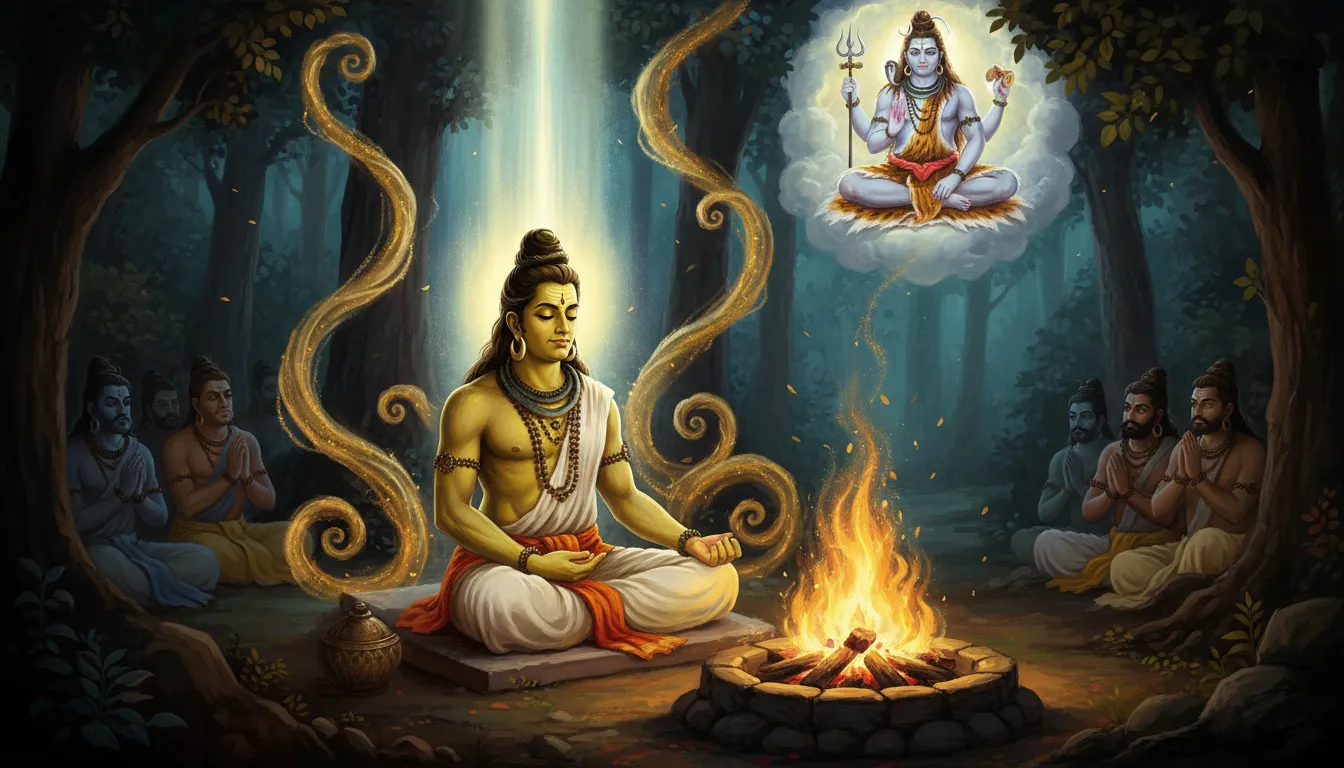
Shukra’s greatest achievement was obtaining the Mrita Sanjeevani Vidya—the knowledge of bringing the dead back to life. Through intense austerities performed for Lord Shiva, Shukra gained this secret that even Brihaspati did not possess. With this power, Shukra could resurrect fallen Asura warriors, giving his students an extraordinary advantage in their eternal conflicts with the Devas. This resurrection knowledge connects to Venus’s astrological domain over regeneration, renewal, and the life-giving forces of pleasure and procreation.
The rivalry between Shukra and Brihaspati structures much of Hindu mythology’s cosmic drama. When the Devas sent Brihaspati’s son Kacha to learn the Sanjeevani Vidya by becoming Shukra’s student, complex events unfolded involving love, betrayal, and cursed knowledge. This eternal opposition between the two preceptors finds expression in the planetary enmity between Venus and Jupiter—not enemies from hatred, but cosmic counterparts representing different dimensions of wisdom.
Classical Description
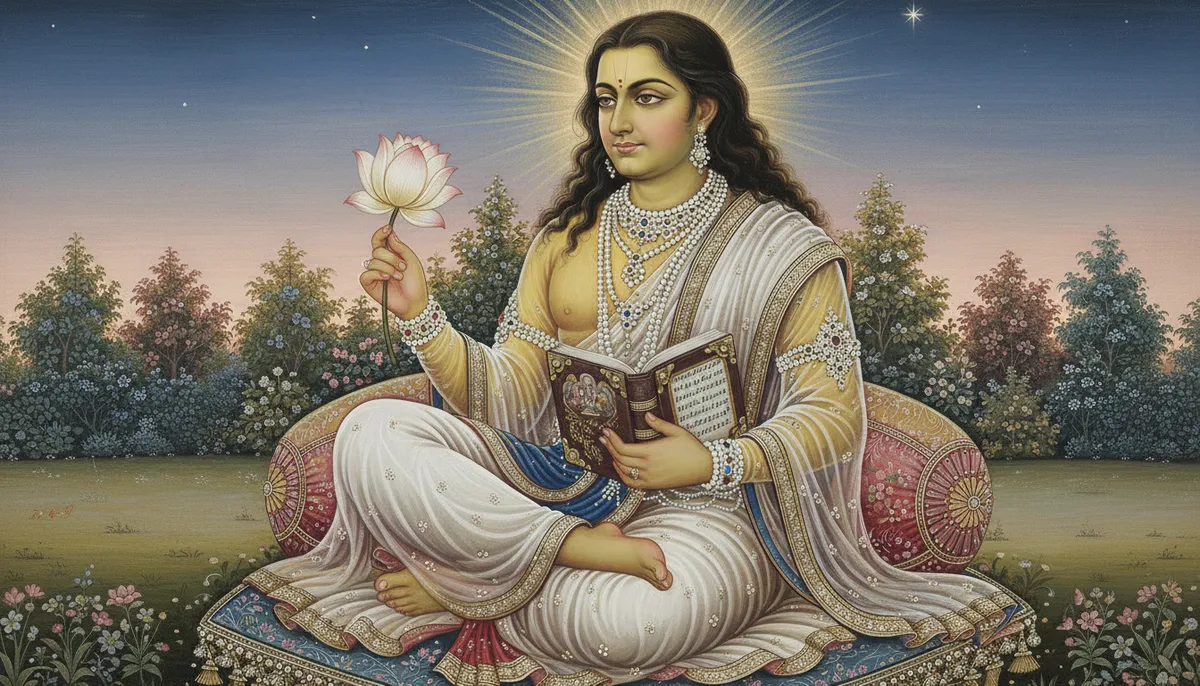
The ancient seers describe Shukra with a distinctive appearance that sets him apart from other Grahas. The Phaladeepika portrays him with a complexion of Harita-Peeta—a mix of yellow and green, the colors of spring growth and living vitality. The Brihat Parashara Hora Shastra speaks of a variegated complexion, suggesting the play of multiple hues that shifts with light—appropriate for the planet visible at the threshold between day and night.
Both classical texts emphasize Shukra’s extraordinary beauty. He possesses a beautiful, splendorous face with broad, charming eyes that captivate those who gaze upon them. His hair is described as dark, short, and extended—some translations suggest curly—adding to his attractive appearance. The physical form is imposing yet graceful: long arms, prominent shoulders, and a broad chest befitting one who counsels rulers and commands respect.
The Phaladeepika specifically notes that Shukra is a poet—one whose mastery of language expresses itself in beauty, rhythm, and artistic form. This connects to Venus’s rulership over all aesthetic arts. His disposition is described as excellent, charming, sensuous yet intelligent, sportive yet profoundly fortunate. Here is no austere renunciate but one who has mastered the art of living well.
The humoral constitution combines Vata (wind) and Kapha (phlegm), creating a temperament of creative flow grounded by stability. Vata contributes movement, imagination, and artistic inspiration; Kapha provides the endurance and consistency needed to manifest creative visions into form. This dual constitution mirrors Venus’s role as both inspirer of beauty and provider of material comfort.
Essential Qualities
Element: Water (Jala)
Shukra belongs to the Water element, connecting him to the realm of emotion, flowing connection, and the life-sustaining powers of moisture and fertility. Water seeks its own level, fills every container it enters, and reflects whatever stands before it—qualities that illuminate Venus’s nature.
The Water element governs taste and pleasure, those experiences that require intimacy with what we consume. It rules reproduction and the fluids of generation, making Venus the karaka of semen and procreative capacity. Water cleanses, heals, and regenerates; it is the element of springs and rains that awaken dormant life. In Venus’s significations over beauty and pleasure, we find Water’s capacity to refresh, to satisfy deep thirst, to make life not merely survivable but delightful.
Guna: Rajasic Nature
Among the three gunas—Sattva (purity), Rajas (passion), and Tamas (inertia)—Shukra embodies Rajas in its creative, artistic expression. This is the quality of active engagement with the world, the energy that builds, creates, and transforms. Unlike the destructive Rajas of unchecked ambition, Venus’s Rajasic nature channels passion into artistry, desire into creation.
The Phaladeepika specifically notes that Shukra is “artistic, valorous, and interested in the fair sex.” This Rajasic drive toward beauty, romance, and aesthetic pleasure fuels civilization’s highest cultural achievements. The palace, the poem, the perfume, the painting—all emerge from Venus’s Rajasic energy properly directed.
Dosha: Vata-Kapha Constitution
Shukra’s dual constitution of Vata (air/movement) and Kapha (water/earth/stability) creates a unique temperament among the Grahas. Vata contributes:
- Creative inspiration and imaginative vision
- Flexibility and adaptability in expression
- The capacity for rapid aesthetic perception
- Sensitivity to beauty in all its forms
Kapha provides:
- Stability and endurance to manifest creative visions
- The groundedness necessary for material prosperity
- Capacity for deep, lasting attachment and love
- Physical robustness and recuperative power
This combination produces the artist who both conceives and completes, the lover who both desires and commits, the aesthete who both appreciates and possesses. The shadow of this constitution manifests when Vata’s changeability undermines Kapha’s commitment, or when Kapha’s attachment stifles Vata’s creative freedom.
Deity: Sachi Devi (Indrani)
The Phaladeepika assigns Sachi Devi—also known as Indrani, the queen of the gods—as Venus’s presiding deity. This association speaks to Venus’s essential qualities rather than Shukra’s cosmic allegiance, for as we know, Shukra served as minister and preceptor to the Asuras, not the Devas.
Sachi represents queenly power, the sovereignty that comes from beauty, grace, and the ability to command through attraction rather than force. She embodies shakti—feminine power in its most refined expression. The deity association reveals what Venus signifies: the capacity to influence through charm rather than coercion, to achieve aims through beauty and diplomacy, to wield soft power that often proves more effective than brute strength.
Physical, Emotional & Psychological Traits
Physical Characteristics
Those born under strong Venusian influence often display the planet’s signature features:
- Attractive, well-proportioned physique with natural grace in movement
- Complexion that tends toward fairness or displays variegated, interesting coloring
- Beautiful, often large eyes with a soft, alluring quality
- Well-formed lips and features associated with conventional beauty
- Dark, often wavy or curly hair with a lustrous quality
- Broad chest and prominent shoulders, suggesting presence without intimidation
- Refined taste in dress, gravitating toward beautiful fabrics and colors
- A quality of looking younger than their years, maintaining vitality
There is an inherent magnetism in Venus-dominant individuals—they draw attention not through force but through beauty, creating the desire in others to look, to approach, to know them better.
Emotional Nature
Emotionally, Venus natives possess extraordinary depth of feeling, particularly in matters of love, beauty, and connection. The positive expression includes:
- Genuine capacity for deep, devoted love
- Appreciation for beauty that enriches life
- Artistic sensitivity that perceives subtleties others miss
- Natural diplomacy that seeks harmony in relationships
- Generosity and desire to share pleasures with loved ones
- Romantic nature that keeps relationships vital and alive
The shadow aspects of Venusian emotionality include:
- Possessiveness and jealousy in love
- Dependency on comfort and luxury
- Difficulty with austerity or emotional deprivation
- Tendency toward indulgence as emotional compensation
- Attraction to superficial beauty over deeper qualities
- Using charm to manipulate rather than genuinely connect
Psychological Profile
Psychologically, Venus governs the aesthetic faculty—the capacity to perceive, appreciate, and create beauty. This extends beyond art into all domains of life:
- Strong preference for pleasant environments and beautiful surroundings
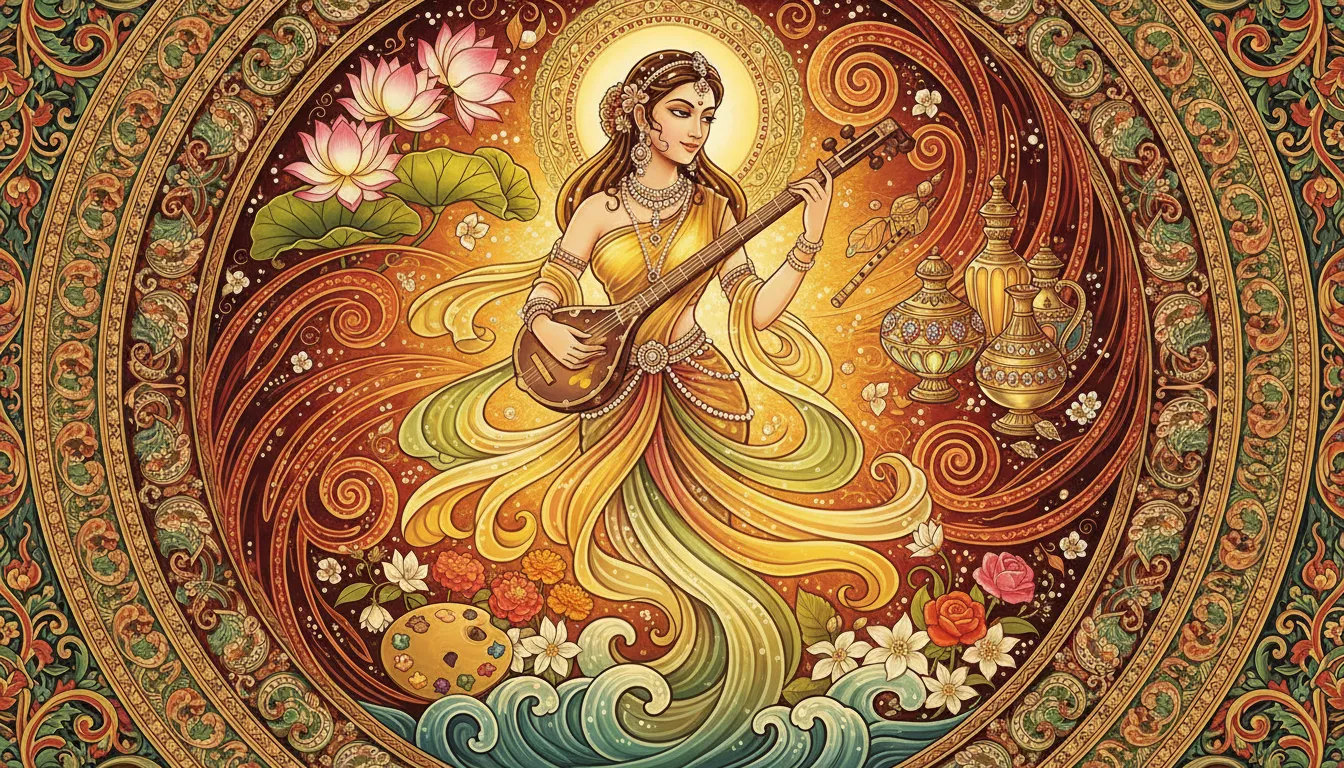
- Natural artistic gifts, particularly in music, visual arts, or decorative skills
- Diplomatic thinking that seeks win-win solutions
- Valuation of relationship and connection above competition
- Refined tastes and discriminating judgment in matters of quality
- Understanding of the psychological dimensions of attraction
- Ability to create pleasure and comfort for self and others
Venus-dominant individuals typically display skill in the arts of living—knowing how to dress, how to create atmosphere, how to make others feel appreciated and desired. They understand intuitively that beauty is a form of power and that pleasure, skillfully offered, creates bonds stronger than logic.
Symbolism & Mythic Archetypes
The Minister-Poet
In the celestial cabinet, Venus holds the position of Minister—the same status as Jupiter, yet with entirely different domains of counsel. Where Brihaspati advises on dharma, righteousness, and philosophical truth, Shukra counsels on beauty, pleasure, diplomacy, and the arts of living well.
This Minister-Poet archetype appears in courts throughout history: the refined advisor who understands that kingdoms are held not by force alone but by the arts of culture, the pleasures that make subjects love their rulers, the beauty that inspires loyalty deeper than fear. Venus in a chart marks where one may serve this diplomatic, aesthetic function—and where one most needs such refined guidance.
The Master of Both Paths
What makes Shukra uniquely qualified as a teacher is his mastery of both austerity and pleasure. He obtained the Mrita Sanjeevani Vidya—the supreme knowledge of resurrection—not through indulgence but through intense tapas performed to please Lord Shiva. This extraordinary penance reveals Shukra as a master ascetic whose discipline rivals any renunciate.
Yet having attained such powers through austerity, Shukra chose to guide those on the path of material engagement. This is the paradox he embodies: the sage who has conquered desire through tapas, yet teaches those still immersed in it. His understanding of pleasure is not that of one who has merely indulged, but of one who has transcended and returned. The teacher who knows both the fire of penance and the sweetness of the world can guide students through either path.
The Alchemist
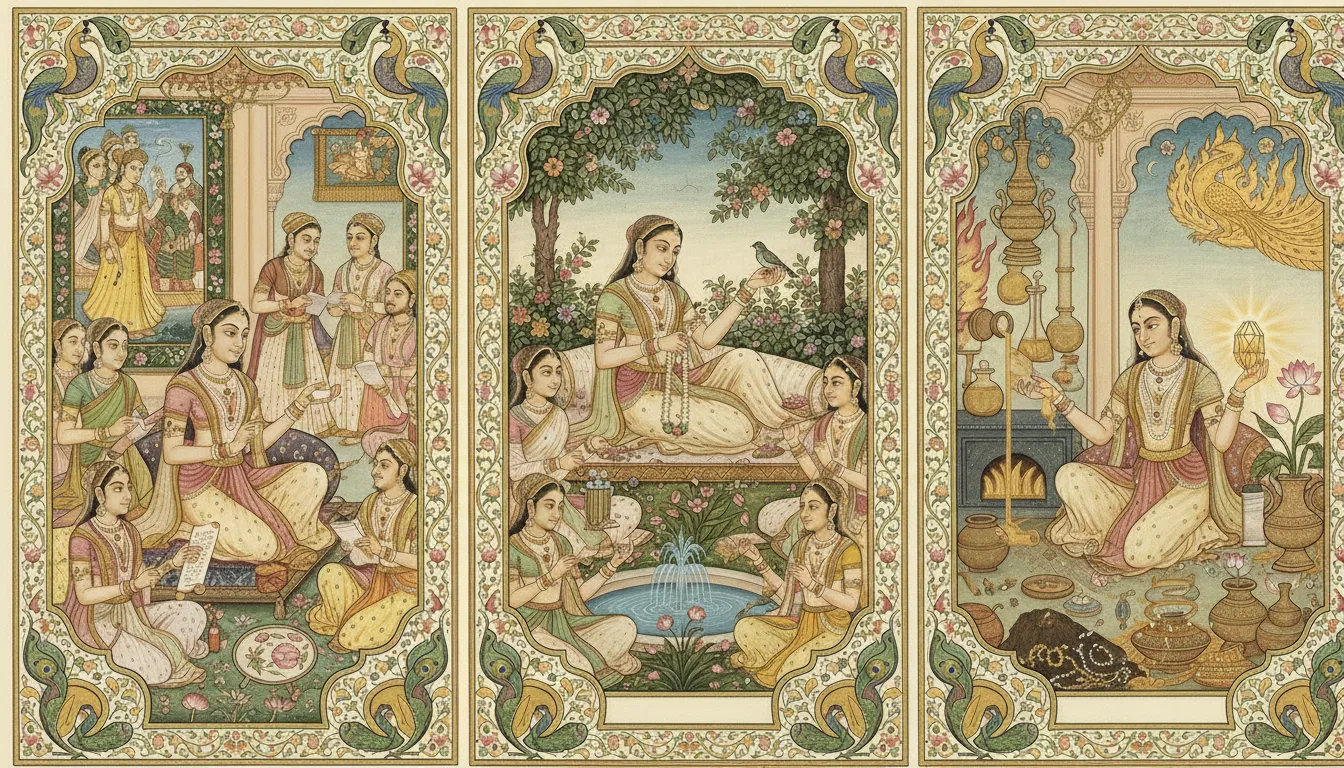
The Sanjeevani Vidya—the knowledge of resurrection that Shukra alone possessed—reveals the alchemical dimension of Venus’s nature. This is the power to transform, to bring life from death, to turn base materials into refined beauty.
Venus’s association with the bedroom, with perfumes and cosmetics, with jewelry and decoration, all connect to this alchemical function. The jeweler transforms rough stones into objects of desire; the perfumer captures essence and offers it for bodily adornment; the lover transforms physical union into emotional and spiritual bonding. Wherever Venus operates, the raw becomes refined, the ordinary becomes precious, the mortal touches something deathless.
Significations (Karakatvas)
Venus serves as karaka—natural significator—for numerous aspects of life, all united by themes of pleasure, beauty, union, and refined enjoyment.
Primary Domains
- Semen (Virya): The reproductive fluid and potency—Venus’s primary karaka status per BPHS
- Comforts: Physical and material ease, luxury, pleasant living conditions
- Marriage and Partnership: The bond of romantic union, particularly the wife in a male’s chart
- Beauty and Aesthetics: All forms of visual, auditory, and sensory beauty
- Love and Romance: The experience of romantic attraction and intimate relationship
- Art and Creativity: Music, dance, painting, sculpture, poetry, film, and all artistic expression
- Pleasure and Enjoyment: The capacity to experience and provide sensory delight
Relationships
- Wife/Partner: In male charts, Venus signifies the spouse and quality of marriage
- Romantic Connections: All love relationships and affairs of the heart
- Artistic Collaborators: Those who create beauty together
- Women Generally: Particularly in their role as objects of desire or sources of beauty
Body & Health
- Reproductive System: Especially the semen and generative capacity
- Eyes: Particularly their beauty and attractiveness
- Face and Complexion: The aesthetic quality of appearance
- Throat, Chin, Cheeks: Features associated with attractiveness
- Kidneys: The organs of filtration and balance
- Skin: Especially its beauty, smoothness, and radiance
Substances & Materials
- Diamond: Venus’s primary gemstone, embodying brilliance and indestructibility
- Pearl: Associated with Venus’s watery nature and lunar beauty
- Silk and Fine Fabrics: Materials of luxury and sensory pleasure
- Perfumes and Cosmetics: Substances that enhance beauty and pleasure
- White and Variegated Colors: Reflecting Venus’s complexion and aesthetic
- Silver and White Gold: Precious metals associated with Venusian adornment
Places & Settings
- Bedroom: Venus’s designated abode per classical texts
- Art Galleries and Theaters: Sites of aesthetic experience
- Gardens and Pleasure Grounds: Spaces designed for enjoyment
- Beauty Salons and Fashion Houses: Centers of personal beautification
- Jewelers and Perfumers: Establishments of luxury goods
- Wedding Venues: Places where Venusian unions are celebrated
Professions & Activities
- Visual Arts: Painting, sculpture, photography, design
- Performing Arts: Music, dance, acting, film
- Fashion and Cosmetics: Clothing design, beauty products, modeling
- Jewelry and Luxury Goods: High-end craftsmanship and retail
- Hospitality: Hotels, restaurants, pleasure venues
- Wedding Planning: Organizing celebrations of union
- Diplomacy: Negotiation through charm and mutual benefit
- Marriage Counseling: Healing partnerships
Temporal Rulership
- Friday (Shukravar): Venus’s day, auspicious for Venusian matters
- Fortnight (Paksha): Venus’s time unit, the waxing or waning half-month
- Spring (Vasanta): The season of Venus’s strength, when beauty blossoms
Nakshatra Rulership
Venus rules three nakshatras, each expressing different dimensions of Venusian energy:
- Bharani (13°20’ – 26°40’ Aries): The nakshatra of birth, death, and transformation, ruled by Yama. Intense, creative, dealing with life’s profound transitions.
- Purva Phalguni (13°20’ – 26°40’ Leo): The nakshatra of pleasure, creativity, and romantic enjoyment, ruled by Bhaga. Artistic, social, delighting in life’s beauties.
- Purva Ashadha (13°20’ – 26°40’ Sagittarius): The nakshatra of invincibility and purification, ruled by Apas (Water). Philosophical pleasure, spiritual beauty, victory through grace.
Strengths & Challenges
Inherent Strengths
Venus possesses remarkable advantages that make it one of the most welcome influences in a chart:
Natural Benefic Status Like Jupiter, Venus remains fundamentally benefic regardless of placement. Even in difficult positions, Venus’s essential nature inclines toward pleasure, beauty, and harmony. It may be weakened but rarely turns genuinely destructive.
Exaltation in Pisces (27°) At 27 degrees of Pisces, Venus reaches its maximum expression. In the sign of Jupiter—associated with spirituality, compassion, and transcendence—Venus’s material beauty becomes spiritualized. Here, love transcends possession, beauty reveals the divine, and pleasure becomes a doorway to bliss. An exalted Venus grants extraordinary artistic gifts, spiritual love, and the capacity to see beauty everywhere.
Own Sign Dignity Venus rules both Taurus and Libra, providing two signs where it operates with full authority:
- Taurus emphasizes Venus’s material dimensions: sensory pleasure, physical beauty, wealth, and earthy enjoyment
- Libra emphasizes Venus’s relational dimensions: partnership, balance, aesthetic harmony, and social grace
Moolatrikona in Libra (0°–15°) In the first half of Libra, Venus attains its moolatrikona dignity—a position of natural comfort and strong expression. Here, the diplomatic, partnership-oriented, aesthetically refined dimensions of Venus shine brightest.
Natural Strength Venus ranks as the 3rd strongest planet in natural strength, giving it substantial inherent power to manifest its significations.
Challenges & Weaknesses
Debilitation in Virgo Venus falls at its weakest in Virgo, where Mercury’s analytical, critical nature conflicts with Venus’s appreciation of beauty. In Virgo, Venus becomes overly perfectionist, finding flaws in every beauty, analyzing pleasure until joy dissipates. Relationships suffer from criticism; art becomes craft without soul; luxury feels guilty rather than good.
Combustion (Shukra Asta) When Venus approaches too close to the Sun, it becomes combust—its significations weakened by solar intensity. Traditional astrology considers periods of Venus combustion inauspicious for marriage, new beginnings involving Venusian matters, and major purchases of luxury items.
Directional Strength Discrepancy Classical texts differ on Venus’s directional strength. The BPHS assigns North, while the Phaladeepika gives South-East. This represents differing traditions within Jyotish, both of which have lineages of respected practitioners.
Excess and Indulgence Venus’s abundance can become weakness through overindulgence. The love of pleasure becomes addiction; the appreciation of beauty becomes vanity; the desire for comfort becomes laziness; the capacity for love becomes possessiveness.
Maraka Potential Venus rules the 2nd and 7th houses from Aries, making it a maraka (death-inflicting) planet for Aries ascendants. This reveals Venus’s shadow: the pleasures that can kill when pursued without wisdom—addiction, diseases of indulgence, relationships that destroy.
Physical Vulnerabilities When Venus is afflicted in a chart, certain health challenges manifest:
- Reproductive system disorders and sexual health issues
- Skin conditions, particularly those affecting appearance
- Kidney problems and issues with filtration
- Eye conditions affecting vision or beauty
- Diabetes and conditions related to sweetness and indulgence
Planetary Relationships
| Relationship | Planets |
|---|---|
| Friends | Saturn, Mercury |
| Enemies | Sun, Moon |
| Neutrals | Mars, Jupiter |
Venus’s relationship pattern reveals its unique position in the cosmic order:
Friendship with Saturn unites pleasure with discipline, beauty with structure. This surprising alliance suggests that lasting pleasure requires boundaries, that sustainable beauty needs form, that responsible enjoyment creates more satisfaction than reckless indulgence. Saturn gives Venus staying power; Venus makes Saturn’s demands bearable.
Friendship with Mercury connects Venus to communication, commerce, and intellectual exchange. Art requires craft; beauty needs articulation; romance thrives on conversation. This alliance produces the ability to speak of love, to market beauty, to intellectually appreciate aesthetic experience.
Enmity with the Sun reflects the tension between ego and enjoyment, between individual will and relational pleasure. The Sun demands recognition; Venus seeks connection. The Sun rules; Venus charms. This opposition manifests as conflict between career ambition and relationship needs, between personal glory and shared pleasure.
Enmity with the Moon creates tension between emotional needs and sensory desires, between nurturing and pleasure. Moon represents mother; Venus represents lover. The needs for security and excitement can conflict; the demands of care and desire can compete.
Neutrality toward Mars maintains an interesting balance between passion and pleasure. Both deal with desire, but differently—Mars conquers while Venus attracts, Mars fights while Venus harmonizes. Neither natural allies nor enemies, they can combine constructively or destructively.
Neutrality toward Jupiter reflects the eternal balance between the two preceptors. Shukra and Brihaspati guide different hosts toward different ends, yet neither is superior to the other. They represent complementary wisdom traditions—pleasure and righteousness, beauty and truth, material enjoyment and spiritual transcendence—that together complete human possibility.
Classical Reference Notes
This portrait of Shukra synthesizes descriptions from the principal texts of Jyotisha, which show substantial agreement while offering complementary details:
Brihat Parashara Hora Shastra establishes Venus’s cabinet status as Minister, assigns the Water element and Brahmin caste, and notes the Vata-Kapha (windy-phlegmatic) constitution. It specifies exaltation at 27° Pisces, Moolatrikona from 0°–15° Libra, and own sign rulership of both Taurus and Libra. The text assigns North as Venus’s direction and notes his signification of semen (virya) as the primary karaka.
Phaladeepika provides the synonyms Asphujit, Sita (White/Bright), and Bhrigu, connecting Venus to purity, brightness, and the sage lineage. It details the physical appearance: complexion of mixed yellow and green (Harita-Peeta), beautiful splendorous face, broad eyes, dark short hair, long arms, prominent shoulders, and broad chest. The text notes the Rajasic guna (“artistic, valorous, interested in the fair sex”), assigns South-East as the direction, and designates Sachi Devi (Indrani) as the presiding deity. The Phaladeepika specifically describes Venus as sensuous, sportive, intelligent, and very fortunate—a poet by nature.
Notable Discrepancy: The texts differ on Venus’s directional strength. BPHS assigns North while Phaladeepika gives South-East. Both traditions have authoritative support within the Jyotish lineage, and practitioners may follow either based on their paramparā (teaching tradition).
Consistent across texts:
- Agreement on Venus as a natural benefic of the 3rd rank in strength
- Consistent assignment of Brahmin caste and ministerial cabinet status
- Agreement on exaltation in Pisces and debilitation in Virgo
- Consistent emphasis on beauty, pleasure, semen, and comforts as significations
- Universal recognition of Water element and Vata-Kapha constitution
Closing Reflection
Venus invites us to consider the spiritual dimensions of pleasure, the wisdom concealed within beauty, the teaching embedded in desire. In a world that often splits matter from spirit, condemning the body’s delights as obstacles to transcendence, Shukra offers a different path: the understanding that refinement of pleasure leads beyond pleasure, that beauty fully appreciated reveals the beautiful One behind all forms.
As the Asura Guru, Venus teaches that wisdom serves all seekers—not only those on conventionally spiritual paths but also those deeply engaged with material reality. The one who understands pleasure thoroughly gains knowledge that the ascetic cannot access. The lover who has known love’s heights and depths possesses wisdom the celibate cannot claim. This is not permission for indulgence but recognition that experience, consciously engaged, becomes teaching.
To know Venus in your chart is to know where beauty calls you, where pleasure awaits, where love may be both found and given. It marks the sphere where attraction operates, where the aesthetic faculty is most alive, where your capacity for refined enjoyment can flourish. Venus shows not merely what you desire but what desires you—what beauty calls you to participate in its manifestation.
The Sanjeevani Vidya reminds us that Venus possesses the power of resurrection—the capacity to bring life from apparent death, to regenerate what seemed lost, to transform endings into new beginnings. In every Venusian domain—love, art, beauty, pleasure—lies this alchemical possibility: the creation of something precious from raw materials, the elevation of the ordinary into the extraordinary.
May Shukra’s luminous grace illuminate your path toward beauty, love, and the refined pleasures that make life worth living.
Explore the Navagraha
This article is part of our comprehensive series on the nine celestial powers of Vedic astrology. Discover how all the grahas work together in the cosmic parliament:
The Complete Guide to Navagraha: Nine Planets of Vedic Astrology →
References
This article synthesizes knowledge from the following classical Vedic astrology texts:
-
Brihat Parashara Hora Shastra - The foundational text of Vedic astrology attributed to Sage Parashara, detailing planetary characteristics, significations, dignities, and interpretive principles.
-
Phaladeepika - A classical text by Mantreshwara offering detailed descriptions of planetary qualities, physical appearances, synonyms, and predictive techniques.
These ancient texts form the bedrock of Vedic astrological wisdom, passed down through generations of practitioners and scholars.
Want to discover how Venus influences your personal birth chart? Join our waitlist for personalized Vedic astrology insights when Lopamudra launches.
Related Articles
Surya: The Radiant Soul of the Cosmos
In the celestial parliament of the Navagrahas, the Sun reigns as sovereign—a cosmic monarch whose very presence illuminates both heaven and earth, embodying the eternal principle of consciousness itself.
The Moon (Chandra): Sovereign of the Mind, Keeper of the Tides
In the ancient sky-map of Jyotisha, Chandra rises as the luminous reflection of the soul - the mind's mirror, ever waxing and waning with the pulse of creation.
Mars (Mangala): The Crimson Warrior of the Celestial Realm
In the vast architecture of Jyotisha, Mars rises like a flame against the dark sky—fierce, unrelenting, and alive with the pulse of action.