Ketu: The Headless Liberator, Doorway to Spiritual Freedom
The immortal body of a severed demon, Ketu embodies detachment, past-life wisdom, and the soul's journey toward liberation. As the South Lunar Node, this shadow planet dissolves worldly attachments and reveals the path to moksha.
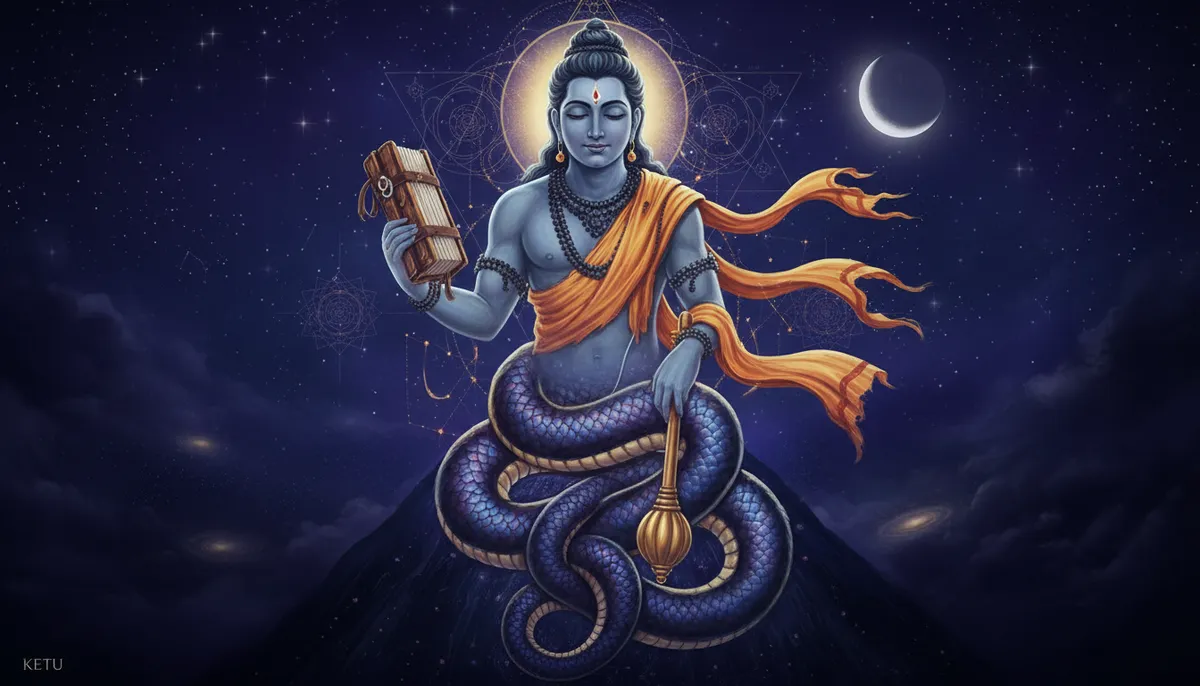
Essential Attributes at a Glance
| Attribute | Ketu’s Nature |
|---|---|
| Sanskrit Name | Ketu (Synonyms: Sikhi, Dhvaja, Dhuma) |
| Cosmic Role | Tail of the Cosmic Serpent / Moksha-karaka (Significator of Liberation) |
| Cabinet Status | Planetary Army |
| Nature | Natural Malefic (Worldly) / Spiritual Benefic (Chhaya Graha / Shadow Planet) |
| Gender | Neuter / Eunuch |
| Caste | Mixed Caste (Shankara Varna) |
| Guna | Tamasic (Dissolution, Transformation, Release) |
| Element | Fire (functions like Mars) |
| Deity | Ganesha / Chandi / Matsya |
| Color | Smoky / Multi-colored |
| Taste | Insipid / Tastelessness |
| Dosha (Humour) | Pitta (Fiery, like Mars) |
| Directional Strength | South-West |
| Temporal Strength | Strong at sunset (like Rahu) |
| Exaltation | Scorpio (Vrischika) |
| Debilitation | Taurus (Vrishabha) |
| Moolatrikona | Virgo (Kanya) |
| Own Sign | Scorpio (co-ruler with Mars) |
| Orbital Cycle | 18 years (approximately 18 months per sign, always opposite Rahu) |
| Mahadasha Period | 7 years |
| Abode | Forests, anthills |
| Apparel | Torn piece of cloth |
| Substance | Lead, Sapphire |
| Gemstone | Cat’s Eye (Lehsunia) / Lapis Lazuli |
| Classification | Jeeva (Living Beings) |
| Friends | Mars, Venus, Saturn |
| Enemies | Sun, Moon |
| Neutrals | Mercury, Jupiter |
| Special Note | Functions like Mars; indicates anthills; moksha-karaka; signifies past-life karma |
Astronomical Overview
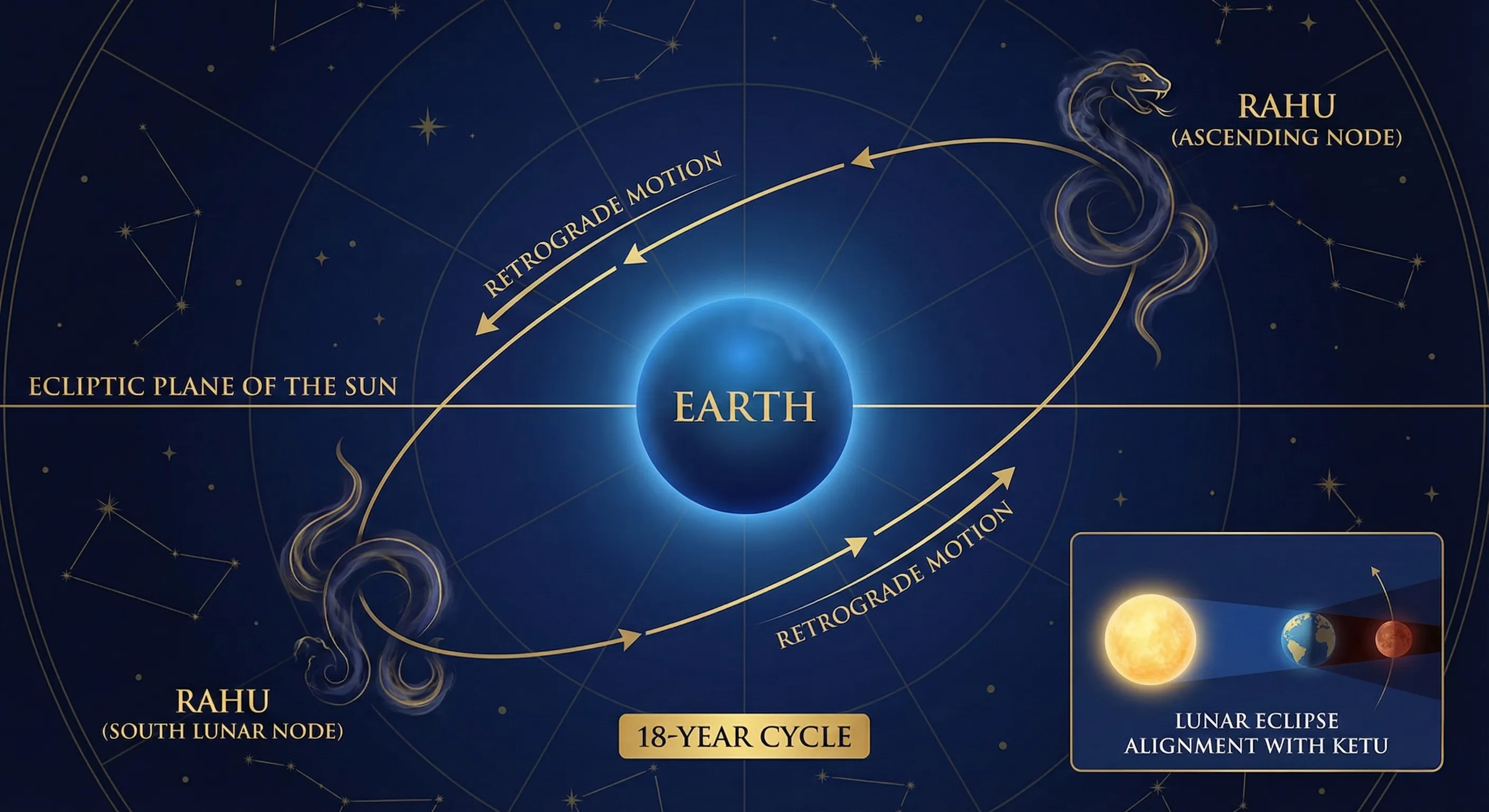
Ketu represents the South Lunar Node—the descending point where the Moon’s orbital path crosses the ecliptic plane of the Sun. While Rahu marks the ascending intersection, Ketu occupies the opposite point, forever maintaining an exact 180-degree relationship with its severed counterpart.
This invisible yet powerful point completes its cycle through all twelve signs of the zodiac in approximately 18 years, spending roughly 18 months in each sign. Like Rahu, Ketu travels in constant retrograde motion—always moving backward against the natural flow of signs, as if tracing the soul’s journey back toward its source rather than forward into new experience.
The astronomical phenomenon that gives Ketu its significance differs subtly from Rahu’s. While Rahu creates solar eclipses when aligned with the Sun, Ketu participates primarily in lunar eclipses—when the full Moon passes through the shadow cast by Earth, appearing to be “swallowed” by cosmic darkness. Ancient seers, observing the Moon’s light gradually consumed and then restored, encoded this phenomenon into the mythology of Ketu’s eternal relationship with the luminaries.
The term Chhaya Graha (Shadow Planet) applies equally to Ketu—like Rahu, it casts no physical shadow because it possesses no physical form. Yet Ketu’s shadow operates differently: where Rahu’s shadow amplifies and obscures, Ketu’s shadow dissolves and reveals. Rahu’s darkness creates illusion; Ketu’s darkness dispels it.
The Rahu-Ketu axis forms what Vedic astrology calls the karmic axis—two points that represent the soul’s evolutionary trajectory. Rahu points toward future experiences the soul must embrace; Ketu represents the past patterns, abilities, and attachments that must be released. Together they rotate backward through the chart, creating the nodal return every 18 years that marks major karmic inflection points in life.
Mythological Origins: The Immortal Body
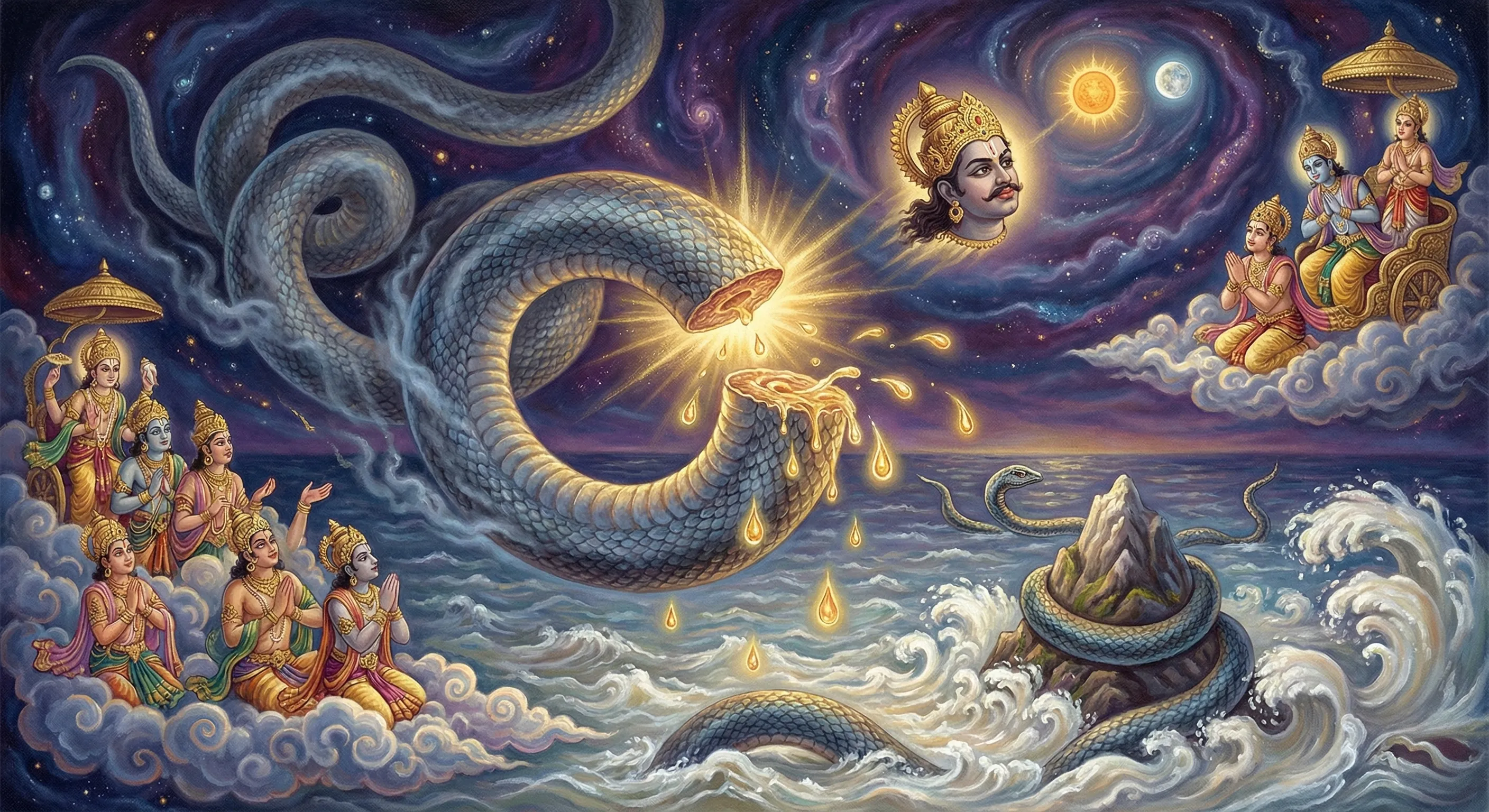
The birth of Ketu emerges from the same magnificent narrative that produced Rahu—the Samudra Manthan, the Great Churning of the Cosmic Ocean. Yet while Rahu’s story focuses on the severed head’s insatiable pursuit, Ketu’s mythology illuminates the profound spiritual significance of the body that remained.
The Aftermath of the Severing
When Lord Vishnu’s Sudarshana Chakra cut through Swarbhanu’s throat, cosmic law faced an unprecedented situation. The Amrita—nectar of immortality—had already passed the demon’s lips, flowed down his throat, and begun its transformation. The divine discus, representing time and karma, could sever but could not kill what had become immortal.
The head, retaining the consciousness, ego, and unfulfilled desires that drove the deception, flew upward to become Rahu—forever pursuing the Sun and Moon who had exposed the trickery. But the body, the great serpentine form that had labored at the churning and contained the capacity for experience itself, became something entirely different.
The Body Without a Head
Consider what remains when head is severed from body: The instrument of worldly engagement—hands that grasp, senses that experience, the serpent coils that can embrace or release—all persist, but without the directing ego that would use them for acquisition. The body became Ketu—immortal, powerful, yet fundamentally oriented toward a different purpose than the head.
Where Rahu’s immortal head can never satisfy its endless hunger because it lacks a body to digest experience, Ketu’s immortal body possesses full capacity for experience but lacks the ego-driven desire that would pursue it. This complementary incompleteness creates the dynamic tension of the nodal axis: Rahu forever wanting, Ketu forever releasing.
The Serpent Tail
In the iconography that developed around this mythology, Ketu is often depicted as the tail of the cosmic serpent—the portion that extends behind, representing what has already been traversed. The head looks forward with desire; the tail trails behind with memory and wisdom.
This serpent symbolism connects Ketu to profound spiritual currents in Vedic thought. The kundalini—the dormant spiritual energy said to rest coiled at the base of the spine—shares this serpent imagery. Ketu’s association with spiritual awakening, sudden enlightenment, and the dissolution of worldly attachment all connect to this deeper serpent mythology.
Ketu’s Relationship with Rahu
Though eternally separated, Rahu and Ketu remain bound together—always exactly opposite in the zodiac, always moving in the same retrograde direction, always participating in the same eclipse cycles. They are one being expressed as complementary polarities:
- Rahu is the ego seeking experience; Ketu is the experience seeking release from ego
- Rahu amplifies worldly desire; Ketu dissolves worldly attachment
- Rahu functions like Saturn (slow karma through accumulation); Ketu functions like Mars (swift action through severance)
- Rahu grants worldly success that eventually feels empty; Ketu grants spiritual insight through worldly loss
Together they teach the complete lesson: that the soul must engage fully with material existence (Rahu’s path) before it can genuinely release it (Ketu’s path). Neither half alone is sufficient; both are necessary for the complete cycle of incarnation and liberation.
The Lunar Eclipse
When Ketu aligns with the Moon during its full phase, lunar eclipses occur—the Moon’s light gradually dims as Earth’s shadow passes across its surface. Mythologically, this represents Ketu “swallowing” the Moon, just as Rahu swallows the Sun.
Yet Ketu’s eclipse of the Moon carries different significance than Rahu’s eclipse of the Sun. The Moon represents the mind, emotions, and our sense of security and belonging. When Ketu obscures the Moon, emotional patterns dissolve, habitual responses weaken, and the grip of psychological conditioning loosens. What feels like loss or emptiness during such periods often precedes genuine spiritual opening.
The Deeper Symbolism
The mythology of Ketu’s creation illuminates several profound principles:
The Headless Body represents consciousness freed from ego’s direction—the capacity for pure experience without the filters of desire, fear, and self-interest. This is the state yogis seek: awareness without identification, experience without grasping.
The Immortal Lower Half suggests that our capacity for transcendence is as indestructible as our capacity for desire. The same Amrita that makes the ego immortally hungry also makes the liberating principle immortally available. Moksha is not something to be achieved but something to be recognized.
The Serpent Form connects Ketu to the transformative power of kundalini, the wisdom of the nagas (serpent beings), and the shedding of old skins that enables renewal. Ketu’s influence often precedes profound personal transformation.
The Eternal Opposition to Rahu reveals that worldly engagement and spiritual liberation are not truly separate paths but complementary phases of the soul’s journey. The same axis that pulls consciousness into incarnation also pulls it toward release.
Classical Description
The ancient seers describe Ketu with an appearance that reflects his otherworldly nature and connection to dissolution. The Brihat Parashara Hora Shastra portrays a figure of fearsome aspect: smoky in complexion, with a body that seems composed of smoke itself—insubstantial yet powerful, visible yet not quite physical.
The classical texts provide vivid details: Ketu has a “red and fierce look” with a “venomous tongue”—language that suggests both danger and the capacity to transmit transformative wisdom. His body is described as “elevated” (tall) yet “bruised” with “lean” proportions, as if the form itself carries the marks of the cosmic violence that created it.
Unlike the physical planets with their luminous bodies, Ketu is described as “inhaling smoke always”—a being that exists in the liminal space between manifestation and dissolution, drawing the substance of the world into himself and releasing it transformed.
The Phaladeepika describes Ketu’s iconography with specific details:
- Two Arms: Carrying a mace (gada) and vara (boon-giving gesture)—symbols of power to destroy illusion and grant liberation
- Hideous Face: Described with terms that evoke the fearsome aspect of transformation itself
- Smoky Color: Neither fully visible nor fully invisible, operating in twilight realms
- Mounted on a Donkey: A humble beast of burden, contrasting with Rahu’s lion mount
The texts designate Ketu as outcaste—one who exists outside conventional social categories, belonging to no established order. His apparel is specifically noted as “torn piece of cloth”—the garb of the renunciate who has abandoned worldly status and material attachment.
The classification as “Jeeva” (living beings) distinguishes Ketu from the mineral-associated planets, connecting him to the animate force of life itself—particularly in its forms that operate outside normal human society: poisonous creatures, snakes, monkeys, wild animals.
Temperamentally, the texts characterize Ketu as:
- Malicious in worldly affairs—his influence disrupts material stability
- Spiritual in ultimate effect—disruption serves liberation
- Associated with Shiva and Ganesha—deities of destruction, obstacles, and their removal
- Connected to Vedanta—the philosophical culmination of Vedic wisdom
- Inclined toward silence—the observance of mauna (spiritual silence) falls under his signification
The Pitta (fiery) constitution and Mars-like function create experiences marked by swift, cutting action rather than the slow grinding of Saturn-like Rahu. Ketu severs attachments quickly; his crises are acute rather than chronic; his lessons come through sudden insight rather than gradual understanding.
Essential Qualities
The Spiritual Planet
While Ketu shares malefic classification with Rahu in terms of worldly affairs, the classical texts explicitly designate Ketu as a “spiritual planet”—a graha whose ultimate function serves the soul’s liberation rather than its entanglement. This dual nature—worldly malefic, spiritual benefic—captures Ketu’s essential paradox.
Where Rahu creates suffering through unfulfilled desire, Ketu creates suffering through the dissolution of what we depend upon. Both forms of suffering serve evolution, but Ketu’s operates more directly toward liberation. The losses Ketu brings are precisely those attachments that bind consciousness to limited identity.
The Karakamsa rules in classical texts state that if Ketu occupies the 12th house from the Karakamsa in Aries or Sagittarius (signs of Mars and Jupiter), aspected by a benefic, the native will attain “final emancipation”—moksha itself. No other planet receives such explicit association with ultimate spiritual liberation.
Guna: Tamasic Nature
Like Rahu, Ketu embodies Tamas—the quality of darkness, dissolution, and the obscuring of form. Yet Ketu’s Tamas operates differently than Rahu’s. Where Rahu’s Tamas creates confusion that leads deeper into Maya, Ketu’s Tamas dissolves the forms that constitute Maya itself.
Tamas governs the principle of dissolution—the return of manifested form to unmanifested potential. Just as night dissolves the visibility of day, just as sleep dissolves the activity of waking, Ketu dissolves the structures of worldly attachment that bind consciousness to limited identity.
The spiritual traditions recognize that liberation requires dissolution—the ego cannot be strengthened into enlightenment but must be dissolved. Ketu’s Tamasic force provides this dissolution, often uncomfortably but necessarily.
Functions Like Mars
The classical dictum “Ketu functions like Kuja (Mars)” establishes a fundamental interpretive principle distinguishing Ketu from Rahu, who “functions like Shani (Saturn).” This Mars-like nature gives Ketu qualities of:
- Swift Action: Where Rahu’s Saturn-like influence works slowly over time, Ketu’s Mars-like influence acts quickly and decisively
- Severance: Mars cuts and separates; Ketu severs attachments, ends relationships, removes obstacles (sometimes painfully)
- Courage: The ability to act without attachment, to release what must be released
- Technical Skill: Mars rules precision and technique; Ketu grants innate abilities often carried from past lives
- Spiritual Warriorship: The capacity to fight inner battles against attachment and delusion
This Mars connection also explains Ketu’s exaltation in Scorpio (Mars’s water sign) and his ownership of Scorpio according to some authorities. The transformative, regenerative, and potentially destructive power of Scorpio aligns with Ketu’s fundamental nature.
The Shadow Planet Concept
As a shadow planet without physical form, Ketu operates entirely through influence—through what is released, dissolved, or revealed when obscuring factors are removed. Where Rahu’s shadow amplifies, Ketu’s shadow subtracts.
This shadowlike nature means Ketu:
- Dissolves the characteristics of associated planets
- Creates emptiness where fullness existed
- Produces effects through absence rather than presence
- Operates through what is hidden, past, or forgotten
- Reveals truth by removing the illusions that concealed it
When Ketu conjoins another planet, that planet’s significations often diminish in worldly expression while intensifying in spiritual significance. A Ketu-Moon conjunction may weaken emotional attachment while strengthening intuitive perception. A Ketu-Venus conjunction may diminish romantic desire while deepening artistic or spiritual devotion.
Relationship to Rahu
The complementary relationship between Rahu and Ketu creates a complete system of karmic education:
- Rahu represents what we must experience in this lifetime—new territories, unfamiliar challenges, the expansion of consciousness through engagement
- Ketu represents what we bring from previous lifetimes—innate abilities, default patterns, attachments ready for release
The house position of Rahu shows where life pushes us toward unfamiliar growth; the house position of Ketu shows where we already possess competence but risk stagnation through excessive comfort.
During Rahu periods, life intensifies worldly engagement. During Ketu periods, life demands release, contemplation, and the integration of experience into wisdom.
The Jeeva Classification
Ketu’s classification as Jeeva (living beings) rather than Dhatu (minerals) or Moola (plants) connects him to the animating principle of life itself—particularly in its forms that operate outside human social conventions.
The creatures associated with Ketu—snakes, poisonous animals, monkeys, dogs, vultures—all operate according to instinct rather than social conditioning. They represent natural intelligence uncorrupted by human ego structures. This Jeeva nature explains Ketu’s association with intuition, past-life memory, and forms of knowing that bypass rational analysis.
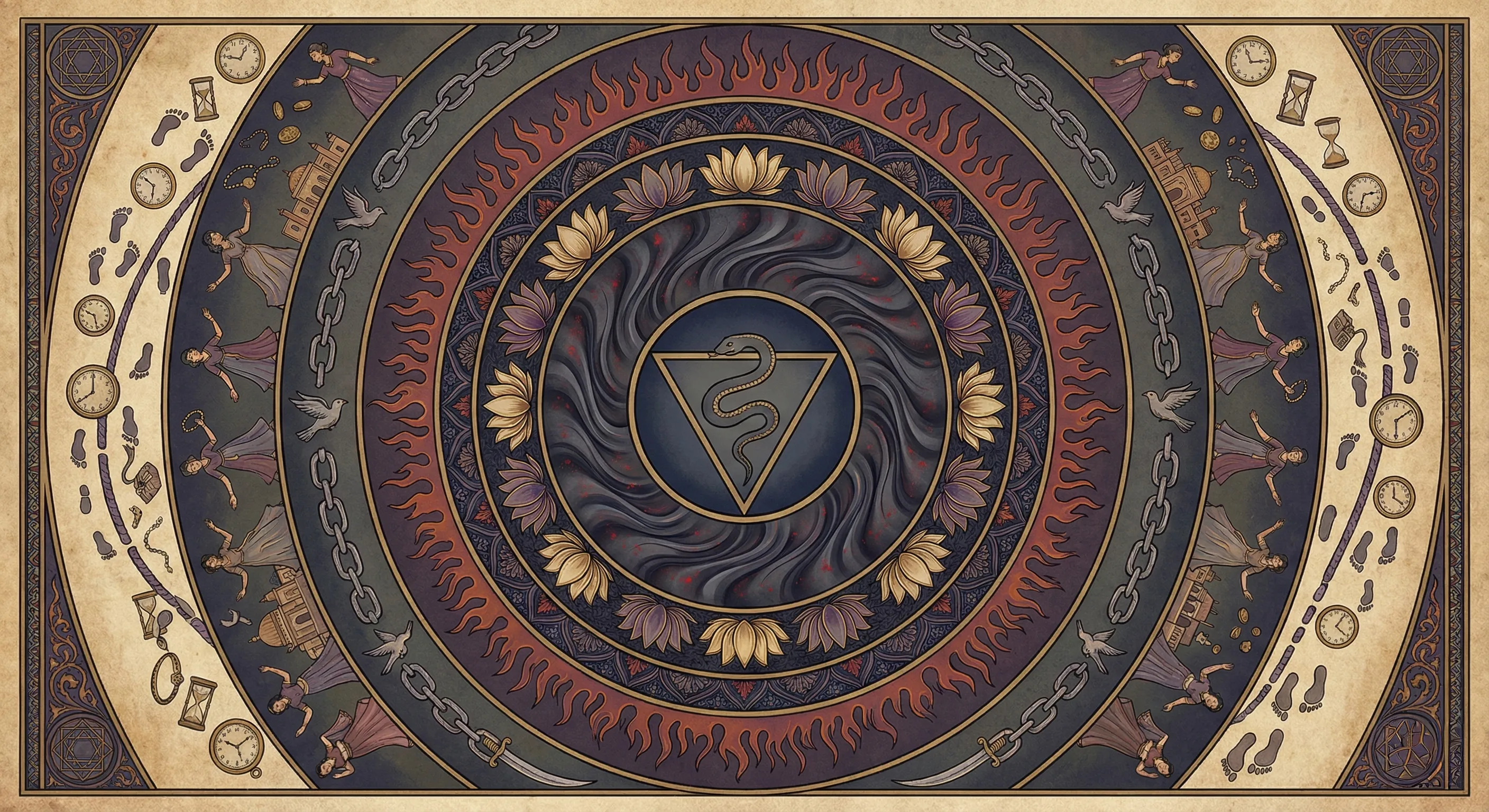
Physical, Emotional & Psychological Traits
Physical Characteristics
Those born under strong Ketu influence often display the planet’s signature features:
- Lean, sometimes gaunt build—as if the body carries less material substance
- Features that are difficult to classify or remember clearly
- Eyes that seem to look through rather than at what they observe
- Skin conditions, particularly those involving discoloration or marks
- Physical vitality that seems disconnected from physical form—energy without apparent source
- An appearance that others find ethereal, spiritual, or somehow “not quite of this world”
- Unusual marks, moles, or bodily asymmetries
- Movement patterns that seem detached from normal bodily consciousness
There is an otherworldly quality to Ketu-dominant individuals—they may seem physically present yet somehow absent, as if a portion of their consciousness dwells elsewhere. Their physical presence creates less impact than might be expected from their spiritual significance.
Emotional Nature
Emotionally, Ketu natives experience a fundamental disconnection from the normal currents of desire and attachment that drive human behavior. The positive expression includes:
- Genuine equanimity in circumstances that agitate others
- Natural detachment that allows clear perception without personal bias
- Emotional fearlessness regarding loss—having already released internally
- Capacity for profound spiritual devotion uncomplicated by personal desire
- Access to states of peace and contentment independent of external circumstances
- Intuitive understanding of others’ emotional states without being captured by them
The shadow aspects of Ketu’s emotionality include:
- Emotional absence or unavailability in relationships
- Inability to engage with normal human desires and pleasures
- Chronic dissociation or feeling “not really here”
- Depression arising from perceived meaninglessness of worldly pursuits
- Difficulty forming lasting emotional bonds
- Confusion about one’s own feelings and desires
- Unexplained grief or nostalgia for things one cannot identify
Psychological Profile
Psychologically, Ketu governs the dimensions of consciousness that operate beyond or beneath ordinary ego awareness:
- Past-life memory or inexplicable familiarity with certain places, people, or skills
- Intuitive knowing that bypasses rational analysis
- Natural aptitude for meditation, contemplation, and altered states
- Disinterest in worldly achievement and recognition
- Attraction to spiritual paths, monasticism, or withdrawal from social engagement
- Difficulty explaining oneself or one’s motivations to others
- The sense of having already completed something—lack of motivation for worldly striving
- Access to transpersonal or collective dimensions of consciousness
- Capacity for profound insight punctuated by periods of confusion
Ketu-dominant individuals often seem to belong to a different time or place. They may possess skills or knowledge without apparent learning, understand things they have no worldly reason to understand, and feel drawn to spiritual traditions with unexplainable intensity.
Yet the same dissolution of ego boundaries that enables spiritual perception can also create psychological fragility—difficulty maintaining consistent identity, tendency toward confusion or dissociation, and challenges functioning in the structured demands of conventional life.
Symbolism & Mythic Archetypes
The Headless Body
Ketu’s most fundamental symbol is the body without its head—the instrument of experience without the ego-mind that would direct it toward personal goals. This image illuminates the nature of liberated consciousness: awareness that experiences without grasping, perceives without judging, acts without attachment to outcome.
The headless body represents:
- Experience without ego-identification
- Action without desire for personal gain
- Wisdom without intellectual pride
- Presence without personal agenda
- Capacity without ambition
This archetype teaches that the deepest forms of knowing and acting arise when the interfering ego steps aside. The body’s intelligence—intuitive, immediate, uncorrupted by mental elaboration—becomes available when the head’s endless commentary ceases.
The Renunciate
As the significator of sannyasa (renunciation), Ketu embodies the archetype of one who has voluntarily released worldly attachments. This renunciate archetype appears when Ketu:
- Draws individuals toward monastic or contemplative life
- Creates circumstances that force release of possessions, relationships, or status
- Grants contentment in simplicity that wealth cannot provide
- Produces the sage who lives in the world but is not of it
- Manifests as the capacity to give up what no longer serves spiritual evolution
The renunciate archetype does not necessarily require external withdrawal—many Ketu-influenced individuals live outwardly conventional lives while maintaining profound internal detachment.
The Spiritual Seeker
Ketu represents the soul’s inherent drive toward its source—the homing instinct of consciousness that draws it back toward the infinite from which it emerged. This seeker archetype manifests as:
- Unquenchable spiritual longing that no worldly achievement satisfies
- Natural attraction to meditation, yoga, and contemplative practice
- The sense of exile from a home one cannot quite remember
- Willingness to sacrifice worldly comfort for spiritual truth
- The recognition that something fundamental is missing from ordinary life
The Past-Life Connection
As the South Node, Ketu represents the karmic inheritance from previous incarnations—the skills, tendencies, and patterns that souls carry into each new birth. This archetype operates through:
- Innate abilities that require no learning in this lifetime
- Inexplicable attractions or aversions to certain places, people, or activities
- Default patterns of behavior that feel deeply familiar
- The sense of having “been here before”
- Gifts that arrive fully formed, as if remembered rather than acquired
This past-life connection can manifest as remarkable talent that appears without training, or as limiting patterns that seem impossible to change despite understanding their origin.
The Eclipse Maker
When Ketu participates in lunar eclipses, he obscures the Moon—the significator of mind, emotions, and worldly nurturing. This eclipse archetype operates through:
- Temporary dissolution of emotional security
- Periods when intuition overwhelms rational mind
- States where familiar emotional patterns lose their grip
- Experiences of emptiness that precede new understanding
- The recognition that emotional needs can never be permanently satisfied
The eclipse archetype teaches that the Moon’s light—the reflected consciousness that constitutes ordinary awareness—must periodically dim for deeper illumination to become visible.
The Liberator
Ultimately, Ketu serves as moksha-karaka—the significator of liberation itself. The liberator archetype represents:
- The force that frees consciousness from identification with form
- The dissolution of limiting beliefs and patterns
- The recognition of what we truly are beyond all temporary identifications
- The capacity to die before physical death—to release attachment while still embodied
- The doorway between incarnate existence and formless awareness
This is Ketu’s highest function: not merely to create worldly difficulties but to use those difficulties as doorways to freedom.
Significations (Karakatvas)
Ketu serves as karaka—natural significator—for aspects of life united by themes of liberation, past-life inheritance, and dissolution of worldly attachment.
Primary Domains
- Moksha (Liberation): The ultimate spiritual goal of freedom from the cycle of birth and death
- Spirituality and Renunciation: All forms of turning away from worldly pursuit toward inner development
- Past Lives: Karmic inheritance, memories, and patterns from previous incarnations
- Detachment: The capacity to release what no longer serves evolution
- Occult Knowledge: Hidden wisdom, esoteric traditions, mystical insight
- Intuition and Psychic Perception: Forms of knowing that bypass rational analysis
- Vedanta: The culminating wisdom of the Vedic tradition
- Enlightenment: Sudden awakening, satori, the direct recognition of truth
Relationships
- Paternal Grandfather: The father’s father falls under Ketu’s signification
- Servants of Shiva: Those devoted to the lord of destruction and transformation
- Spiritual Teachers: Particularly those teaching through silence or beyond words
- Outcasts and Wanderers: Those who exist outside conventional social structures
- Monks and Renunciates: Those who have formally left worldly life
- Healers: Particularly those working with subtle energies or alternative modalities
Body & Health
- Skin: Conditions involving discoloration, marks, or wounds
- Stomach and Digestive System: Particularly conditions involving poor assimilation
- Eyes: Visual disturbances, particularly affecting perception
- Nervous System: Conditions involving disconnection or faulty signaling
- Wounds and Injuries: Particularly those leaving lasting marks
- Infectious Conditions: Fits, fevers, small pox, boils
- Snake Bites and Poisoning: Toxicity from venomous creatures
- Mysterious Ailments: Conditions difficult to diagnose or treat
- Chronic Depletion: States of diminished vitality with no clear physical cause
Substances & Materials
- Lead: Ketu’s primary metal (shared with Rahu)
- Sapphire: Associated with Ketu in some classical texts
- Cat’s Eye (Lehsunia): The traditional gemstone prescribed for Ketu
- Mud Vessels: Simple, earthy containers
- Mixed Cloth of Variegated Color: Representing multiplicity dissolving into unity
- Torn or Worn Garments: The clothing of renunciation
- Ash: The residue of transformation, sacred to Shiva
- Incense and Smoke: Substances that create visible yet insubstantial forms
Creatures & Beings
- Poisonous Creatures: Snakes, scorpions, venomous animals
- Monkeys: Creatures of quick, unpredictable intelligence
- Dogs: Associated with faithful companionship beyond social status
- Vultures: Creatures that consume what has died
- Rats: Creatures of hidden activity (associated with Ganesha)
- Cocks (Roosters): Creatures that announce liminal times
- Horned Animals: Creatures associated with primal power
- Snakes: Primary Ketu creature—transformation, danger, wisdom
Places & Settings
- Anthills: Mysterious structures of hidden activity (specifically noted in classical texts)
- Forests and Wilderness: Places beyond civilization’s reach
- Places of Worship: Temples, ashrams, sacred sites
- Cremation Grounds: Where physical form returns to elements
- Caves and Retreats: Places of spiritual practice
- Abandoned Places: Structures from which life has withdrawn
- Border Regions: Transitional zones between defined territories
Activities & Practices
- Worship of Ganesha: The remover of obstacles, whose vehicle is the rat
- Worship of Chandi: The fierce goddess of transformation
- Medical Practice: Particularly involving treatment of poisons
- Mantra Shastra: The science of sacred sound
- Vedanta Study: The philosophical culmination of Vedic wisdom
- Observance of Silence (Mauna): Spiritual practice of non-speaking
- Renunciation: The formal or informal release of worldly attachment
- Great Penance (Tapas): Spiritual practice involving austerity
- Bath in the Ganges: Purification through sacred waters
Temporal Rulership
- Seven-Year Mahadasha: Ketu’s major period—shorter than Rahu’s 18 years
- Sunset: Ketu gains particular strength at twilight (shared with Rahu)
- Eclipse Periods: Times of heightened Ketu influence
- 18-Year Nodal Cycle: The complete transit through all signs
Nakshatra Rulership
Ketu rules three nakshatras, each expressing different dimensions of Ketu’s nature through their unique symbolism and deity:
Ashwini (0°00’ – 13°20’ Aries) “Born of a Horse” — The first nakshatra of the zodiac, where Ketu begins the soul’s journey in the sign of Mars.
- Symbol: Horse’s head
- Deity: Ashwini Kumaras (the Divine Twin Physicians who can restore life and heal any condition)
- Meaning: The nakshatra of swift healing, new beginnings, and divine medicine
- Ketu Expression: Here Ketu manifests through innate healing abilities—the capacity to restore what has been damaged, to initiate new cycles, and to act with swift, precise effectiveness. Ashwini natives often possess medical or healing gifts that require no training, as if remembered from previous lives. There is something miraculous about their capacity for renewal.
- Qualities: Healing ability, swiftness of action, pioneering courage, capacity to initiate, youthful energy regardless of age, the ability to make fresh starts
Ashwini represents Ketu’s most accessible expression—spiritual gifts manifesting through practical healing and the courage to begin again. It combines Ketu’s intuitive wisdom with Mars’s pioneering action.
Magha (0°00’ – 13°20’ Leo) “The Mighty One” — In the Sun’s royal sign, Ketu expresses through connection to ancestry and the power of lineage.
- Symbol: Throne, royal palanquin
- Deity: Pitris (the Ancestral Spirits who guide and protect their descendants)
- Meaning: The nakshatra of ancestral connection, inherited power, and the weight of tradition
- Ketu Expression: This is Ketu’s most paradoxical placement—worldly power (Leo) combined with spiritual detachment (Ketu). Magha natives often carry the karma of royal or powerful past lives, possessing natural authority they may or may not choose to exercise. Their challenge is honoring ancestral obligation while remaining free of ego-identification with status.
- Qualities: Natural leadership, connection to ancestors, inherited talents and karma, capacity to honor tradition while remaining unattached, the power to bless or curse that comes through lineage
Magha represents Ketu’s past-life connection most directly—the sense of carrying ancient responsibilities, possessing unearned dignity, and being accountable to forces beyond personal preference.
Mula (0°00’ – 13°20’ Sagittarius) “The Root” — In Jupiter’s sign of higher wisdom, Ketu reaches its most intense and transformative expression.
- Symbol: Tied bunch of roots, elephant goad (ankusha)
- Deity: Niritti (Goddess of Calamity and Dissolution, who rules the southwestern direction)
- Meaning: The nakshatra of uprooting, getting to the root cause, and destruction that precedes renewal
- Ketu Expression: Here Ketu operates with maximum intensity—the capacity to destroy what has become false, to uproot attachments that prevent growth, and to pursue truth regardless of personal cost. Mula natives often experience significant upheaval and loss, yet these very destructions create the conditions for profound spiritual realization.
- Qualities: Capacity to get to the root of any matter, willingness to destroy false structures, spiritual intensity, philosophical depth, the courage to face uncomfortable truths, transformation through apparent catastrophe
Mula represents Ketu’s ultimate function—the dissolution of everything that obstructs liberation. The temporary suffering Mula creates serves permanent freedom.
Common Thread: All three of Ketu’s nakshatras share themes of connection to what lies beyond ordinary visibility—the healing powers that flow through us from divine sources (Ashwini), the ancestral forces that shape our destiny (Magha), and the root causes that must be addressed for genuine transformation (Mula). Each represents a different face of Ketu’s liberating function.
Strengths & Challenges
Inherent Strengths
Exaltation in Scorpio Unlike the debates surrounding Rahu’s exaltation, classical sources consistently place Ketu’s exaltation in Scorpio (Vrischika). In this Mars-ruled water sign, Ketu’s transformative and regenerative powers reach maximum expression:
- Deep capacity for psychological transformation
- Ability to penetrate to the root of any matter
- Power to facilitate healing through confronting hidden material
- Access to occult or hidden dimensions of knowledge
- Capacity to guide others through death-rebirth processes
The Moolatrikona is placed in Virgo (0°-15°), indicating this Mercury-ruled earth sign’s importance for Ketu’s optimal function—the capacity for precise discrimination applied to spiritual discernment.
Own Sign: Scorpio Ketu rules Scorpio alongside Mars, and in this sign expresses his themes of transformation, hidden knowledge, and the dissolution that precedes renewal. Ketu in Scorpio operates with natural authority in matters of depth psychology, occult practice, and spiritual transformation.
Spiritual House Placements Ketu finds particular strength in houses associated with spiritual development:
- 4th House: Deep contentment independent of external circumstances
- 8th House: Transformation, occult knowledge, inherited spiritual wealth
- 9th House: Higher wisdom, spiritual teaching, connection to dharma
- 12th House: Liberation, dissolution of ego, spiritual practice
Upachaya House Strength Like Rahu, Ketu gains strength in the upachaya houses (3rd, 6th, 10th, 11th), where his natural tendency toward dissolution produces beneficial results:
- 3rd House: Courage arising from detachment, skills requiring no external validation
- 6th House: Victory over enemies through non-resistance, health through purification
- 10th House: Career in spiritual or alternative fields, reputation for wisdom
- 11th House: Gains through spiritual connections, fulfillment through service
Association with Benefic Planets When Ketu conjoins or receives aspects from benefic planets (Jupiter, Venus, well-placed Mercury, or waxing Moon), his spiritual beneficence becomes more accessible while his worldly disruptions become less severe.
Challenges & Weaknesses
Natural Malefic Status (Worldly) Ketu is classified as a natural malefic for worldly affairs—his influence creates material difficulty regardless of house position. Even when well-placed spiritually, Ketu brings themes of loss, separation, and dissolution to whatever he touches.
Debilitation in Taurus Ketu’s fall occurs in Taurus—the Venus-ruled earth sign of material stability, sensual pleasure, and accumulated wealth. In Taurus, Ketu’s dissolving nature conflicts with the sign’s fundamental orientation toward building and maintaining:
- Difficulty accumulating or retaining material resources
- Challenges in relationships requiring stable commitment
- Confusion about values and what truly matters
- Sense of emptiness that material comfort cannot address
- Wasted spiritual gifts through excessive asceticism or material preoccupation
Confusion and Loss Ketu’s signature in material affairs is confusion—the sense of not quite grasping what is happening, of being unable to engage effectively with worldly demands:
- Difficulty planning for the future
- Challenges in practical, detail-oriented work
- Confusion about personal desires and preferences
- Inability to explain oneself or communicate clearly
- Sense of missing something essential in ordinary activities
Ketu Mahadasha Ketu’s major period lasts 7 years—shorter than Rahu’s 18 years but often more intensely disorienting:
- Dramatic dissolution of attachments and life structures
- Periods of spiritual insight alternating with confusion
- Difficulty maintaining engagement with ordinary responsibilities
- Health challenges, particularly mysterious or hard-to-treat conditions
- Feeling foreign in previously familiar circumstances
- Profound transformation that only makes sense in retrospect
Sudden Disconnections Where Rahu creates obsessive attachment, Ketu creates sudden severance:
- Relationships ending without clear explanation
- Career paths dissolving unexpectedly
- Skill or interest abruptly losing meaning
- Sense of no longer belonging in previously meaningful contexts
- The experience of “waking up” to find life has moved in unexpected directions
Physical Vulnerabilities When afflicted, Ketu produces characteristic health patterns:
- Mysterious symptoms that evade diagnosis
- Conditions involving nervous system dysfunction
- Skin conditions, particularly those involving marks or discoloration
- Digestive difficulties with no clear physical cause
- Wounds or injuries that heal slowly or leave permanent marks
- Vulnerability to poisoning or adverse reactions
- Mental health challenges including dissociation and depression
Planetary Relationships
| Relationship | Planets |
|---|---|
| Friends | Mars, Venus, Saturn |
| Enemies | Sun, Moon |
| Neutrals | Mercury, Jupiter |
Ketu’s relationship pattern reveals the cosmic dynamics between spiritual liberation and worldly identity:
Friendship with Mars flows naturally from the classical dictum that “Ketu functions like Mars.” Both planets operate through swift, decisive action—Mars in pursuit of goals, Ketu in severance of attachments. Mars provides the courage necessary for spiritual warrior-ship; Ketu provides the detachment that prevents courage from becoming mere aggression. Together they govern the capacity to act decisively without attachment to outcome.
Friendship with Venus may seem paradoxical—the planet of sensory pleasure befriending the planet of renunciation. Yet Venus at its highest represents devotion, and devotion is precisely what survives when desire has been purified. Ketu and Venus together govern bhakti—the path of loving surrender that transcends personal desire. Venus also rules the 2nd house of accumulated value; Ketu’s friendship indicates that spiritual wealth accumulates through release of material attachment.
Friendship with Saturn reflects their shared governance of the more difficult dimensions of human experience. Both are malefics; both teach through difficulty; both govern karma in its limiting and liberating aspects. Saturn provides the discipline necessary for spiritual practice; Ketu provides the insight that makes discipline meaningful. Together they ensure that necessary lessons cannot be avoided indefinitely.
Enmity with the Sun reflects the fundamental tension between ego (Sun) and transcendence (Ketu). The Sun represents individual identity—the sense of being a particular person with particular characteristics and destiny. Ketu represents the dissolution of this individual identity into something larger. Sun-Ketu combinations create identity confusion, father-related difficulties, and the ongoing challenge of maintaining stable selfhood while recognizing its ultimate limitation.
Enmity with the Moon reflects the conflict between emotional attachment (Moon) and spiritual detachment (Ketu). The Moon represents our need for security, nurturing, and emotional connection—precisely the attachments that Ketu dissolves. Moon-Ketu combinations create emotional unavailability, difficulties with mother or mothering, and the challenge of participating in human emotional life while recognizing its ultimate inadequacy.
Neutrality toward Mercury reflects their complementary cognitive functions. Mercury governs rational analysis; Ketu governs intuitive perception. Neither aids nor obstructs the other significantly—they simply operate through different modes of knowing. Mercury-Ketu combinations can produce unusual intelligence that combines analytical precision with intuitive depth.
Neutrality toward Jupiter may seem surprising given Ketu’s spiritual nature, but reflects the different paths to wisdom these planets represent. Jupiter governs learning through accumulation—gathering knowledge, expanding understanding. Ketu governs learning through release—dissolving false knowledge, simplifying understanding. Neither supports nor contradicts the other; they represent complementary approaches to truth.
Classical Reference Notes
This portrait of Ketu synthesizes descriptions from the principal texts of Jyotisha:
Brihat Parashara Hora Shastra establishes Ketu’s cabinet status as Planetary Army (Sainya), assigns the Mixed Caste (Shankara Varna), and notes the Jeeva (living beings) classification. It specifies Ketu’s special signification of anthills (shared with Rahu), paternal grandfather, and the forest-dwelling nature. BPHS states that Ketu “functions like Mars (Kuja),” establishing the functional relationship that distinguishes Ketu from Saturn-like Rahu. The text notes Ketu’s spiritual nature and signification of moksha.
Phaladeepika provides extensive significations including: poisonous creatures, monkeys, rats, poverty, snakes, evil spirits, wounds, fits, debts, foolishness, illusion, and insipid food. It describes the apparel as “torn piece of cloth” and substance as sapphire. The text explicitly identifies Ketu as a “spiritual planet” whose ultimate function serves liberation rather than worldly engagement.
The signification lists from classical sources include: Worship of Ganesha and Chandi, Medical practitioner (particularly treating poison), Dogs, Cocks, Vultures, Final salvation (moksha), All sorts of prosperity (spiritual), Consumption, Painful fevers, Bath in the Ganges, Great penance, Wind complaints, Friendship with hunters, Stones, Wounds, Mantra Shastra, Instability of mind, Knowledge of Brahman, Diseases of the stomach and eye, Stupidity (worldly), Thorn, Knowledge of animals (zoology), Observing silence religiously (mauna), Vedanta, Renunciation, Father’s father, Hunger, Great pain from peptic ulcer, Small pox and boils, Horned animals, Servant of Shiva, and Getting imprisonment revoked.
The iconographic tradition describes Ketu with two arms carrying mace and boon-giving gesture, smoky color, hideous face, red and fierce look, venomous tongue, elevated body that is bruised and lean, armed, outcaste, inhaling smoke always, and mounted upon a donkey.
Notable Agreements: The texts consistently agree on:
- Ketu’s exaltation in Scorpio and debilitation in Taurus
- The Mars-like functional nature
- Association with moksha and spiritual liberation
- Connection to past lives and inherited karma
- Signification of poisonous creatures, wounds, and mysterious ailments
- Friendship with Mars, Venus, and Saturn
- Enmity with Sun and Moon
- Rulership of Ashwini, Magha, and Mula nakshatras
Areas of Variation: Classical sources show minor differences on:
- The precise Moolatrikona placement (Virgo or Sagittarius in some texts)
- Specific gemstone recommendations (Cat’s Eye vs. other stones)
- Whether certain yogas apply to shadow planets as they do to physical planets
Closing Reflection
Ketu invites us to consider the hidden purpose within loss itself—the liberating function of the very dissolutions and detachments that worldly consciousness fears most. The headless body that carries wisdom without ego-direction embodies the paradox of spiritual development: we must release precisely what we most wish to retain, and the very letting go reveals what was always already free.
As the South Node, Ketu represents what we carry from the past—the gifts, patterns, and attachments that arrive fully formed at birth. His position in the chart reveals where the soul has already developed competence, where comfort can become stagnation, and where release is necessary for continued growth. This is not loss but liberation—the shedding of skins that enables the serpent to continue growing.
The mythology reminds us that Ketu and Rahu, though eternally separated, remain aspects of a single being. The soul’s journey requires both nodes: Rahu’s path of engagement and acquisition, Ketu’s path of release and transcendence. To favor one over the other is to remain incomplete. The head needs the body; the body needs the head; yet their separation is precisely what enables the soul’s education.
To know Ketu in your chart is to know where detachment will arise naturally, where worldly engagement feels somehow beside the point, where past-life gifts await recognition and past-life patterns await release. It marks the sphere where wisdom emerges through dissolution, where confusion precedes clarity, and where the soul discovers itself by recognizing what it never truly was.
The enmity with Sun and Moon—the luminaries of identity and emotion—reveals that Ketu’s path runs through the dissolution of what we normally consider ourselves to be. This dissolution, while threatening to the ego, liberates what lies beyond all temporary identifications. The losses Ketu brings are precisely those attachments that obstruct recognition of our deepest nature.
The designation of Ketu as moksha-karaka—significator of liberation—acknowledges that certain planetary influences serve evolution not by granting worldly success but by dissolving the very structures that worldly consciousness constructs. Ketu’s greatest gift is not what it provides but what it removes.
May Ketu’s liberating power dissolve whatever obstructs your recognition of what you truly are, and may the losses along the path become doorways to freedom that was never truly absent.
Explore the Navagraha
This article is part of our comprehensive series on the nine celestial powers of Vedic astrology. Discover how all the grahas work together in the cosmic parliament:
The Complete Guide to Navagraha: Nine Planets of Vedic Astrology →
References
This article synthesizes knowledge from the following classical Vedic astrology texts:
-
Brihat Parashara Hora Shastra - The foundational text of Vedic astrology attributed to Sage Parashara, detailing planetary characteristics, significations, dignities, and interpretive principles for all nine grahas including the shadow planets.
-
Phaladeepika - A classical text by Mantreshwara offering detailed descriptions of planetary qualities, physical appearances, synonyms, and extensive lists of significations for Ketu’s domains.
-
Saravali - The comprehensive treatise by Kalyana Varma providing additional perspectives on planetary nature and predictions, particularly valuable for understanding the shadow planets’ effects.
These ancient texts form the bedrock of Vedic astrological wisdom, passed down through generations of practitioners and scholars.
Want to discover how Ketu influences your personal birth chart? Join our waitlist for personalized Vedic astrology insights when Lopamudra launches.
Related Articles
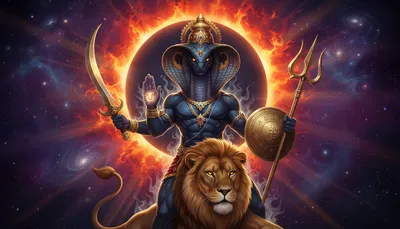
Rahu: The Insatiable Shadow, Master of Illusion and Worldly Desire
Born from the severed head of an immortal demon, Rahu embodies the ego's endless hunger for experience, recognition, and transcendence through worldly engagement. As the North Lunar Node, this shadow planet drives ambition, creates illusion, and compels the soul toward its destined experiences.
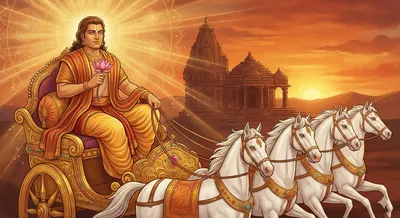
Surya: The Radiant Soul of the Cosmos
In the celestial parliament of the Navagrahas, the Sun reigns as sovereign—a cosmic monarch whose very presence illuminates both heaven and earth, embodying the eternal principle of consciousness itself.
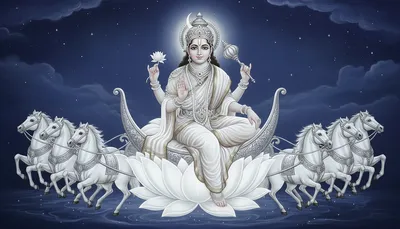
The Moon (Chandra): Sovereign of the Mind, Keeper of the Tides
In the ancient sky-map of Jyotisha, Chandra rises as the luminous reflection of the soul - the mind's mirror, ever waxing and waning with the pulse of creation.